
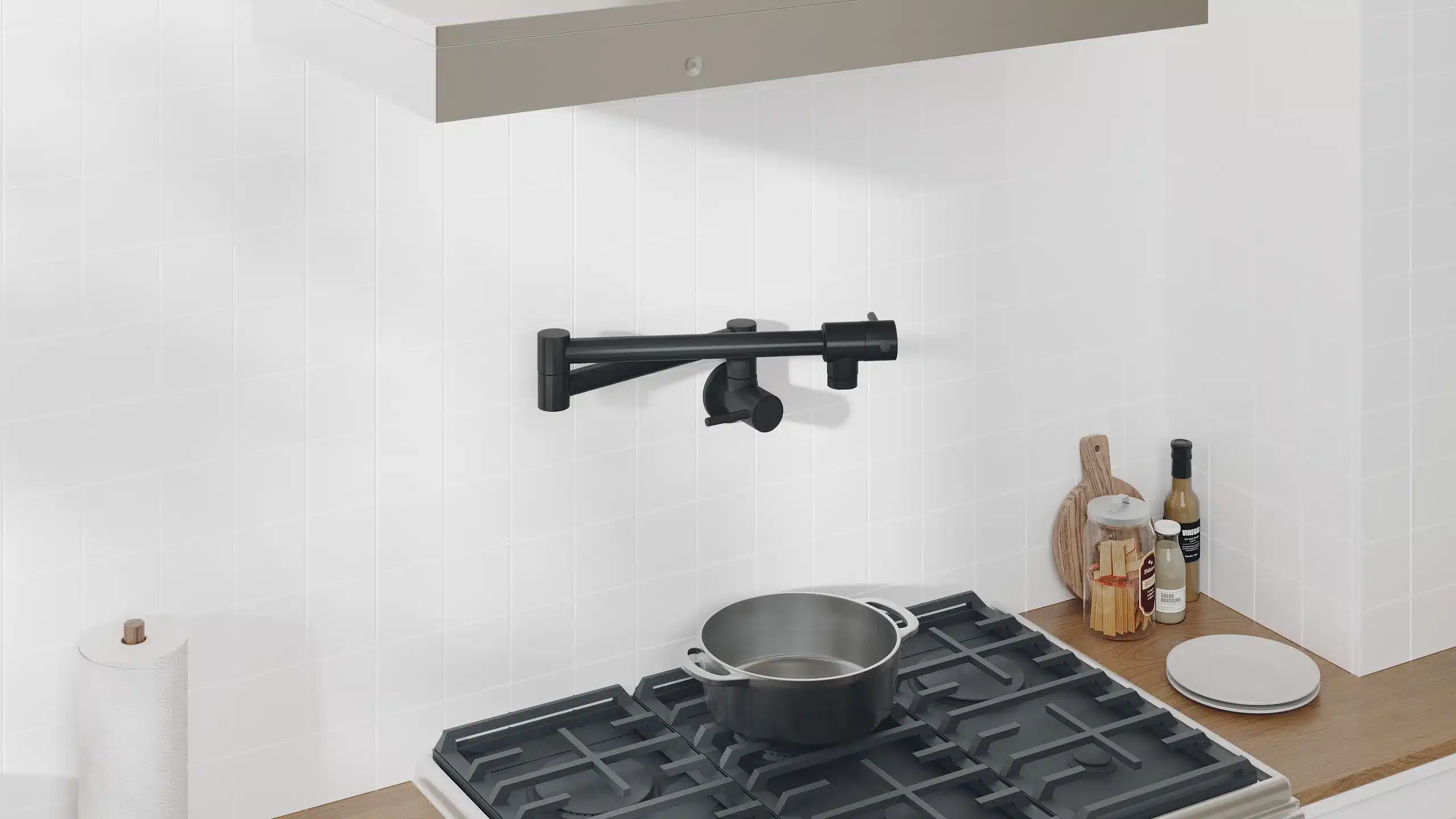

What is a Pot Filler?
The Ultimate Kitchen Efficiency Tool
In modern kitchens, efficiency and convenience are key. A pot filler faucet is a remarkable addition that can transform your cooking experience. This comprehensive guide will introduce you to the essential features, installation methods, materials, and user benefits of pot fillers, helping you make an informed decision for your kitchen upgrade.

1. Product Functionality: Enhancing Convenience and Efficiency in Your Kitchen
Pot fillers are designed to be installed above the stove, allowing you to fill large pots directly at the cooking area. This pot filler faucet feature eliminates the need to carry heavy pots from the sink to the stove, saving time and reducing the risk of spills and injuries. It’s particularly useful for filling large, heavy pots like cast iron or stock pots that are difficult to move when full, or for adding water during the cooking process.
2. Choosing the Right Pot Filler Material for Health and Safety
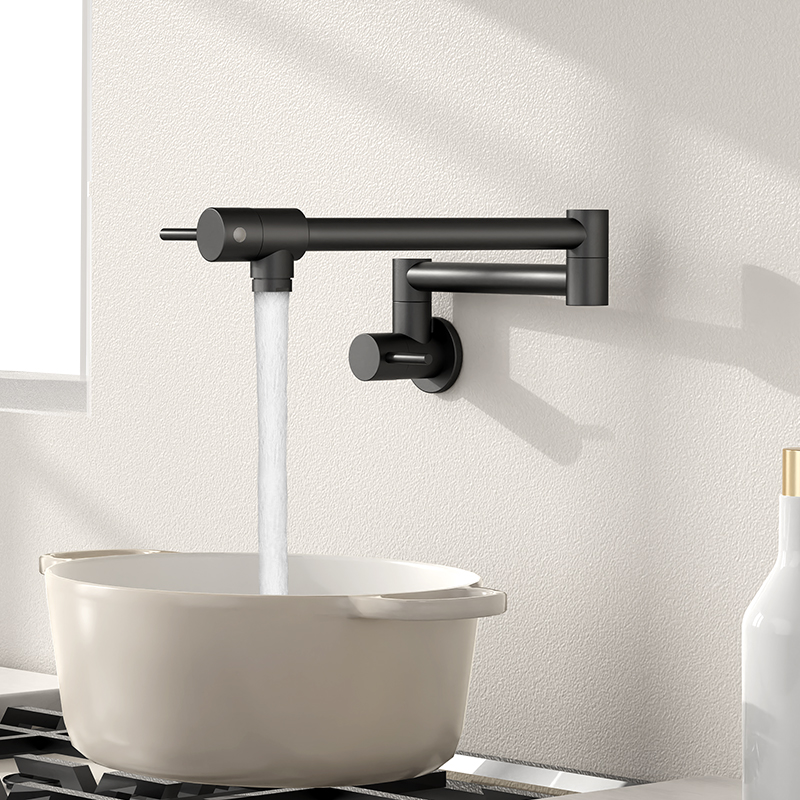
Choosing lead-free materials for your pot filler is essential for your family’s health and safety. Brass often contains lead, so opt for NSF-certified lead-free brass pot fillers when possible, even though it can be pricier.
What’s more, many products claim to be lead-free, but in reality, they use substandard materials that don’t meet safety standards. They often lack strict quality control and can’t provide legitimate third-party certification.
So, when you’re shopping for a pot filler, make sure to pick one with NSF certification. Always ask if the brand can provide certificates with its name and product model. This way, you know you’re getting a high-quality product and protecting yourself from misleading claims.
3. How Pot Filler Designs Enhance Your Kitchen Experience

Beyond materials, pot fillers feature designs that enhance your kitchen experience with thoughtful and intelligent details.
Joint Types
-
- Single Joint Pot Fillers: Looking for something simple and easy to install? Single joint pot fillers are a great choice. With just one pivot point, they’re more compact and perfect for smaller kitchen spaces. The only catch? Their reach is a bit limited.
- Double Joint Pot Fillers: Need more flexibility? Double joint pot fillers might be what you’re after. With two pivot points, they offer greater reach and can extend further over your stove. They’re ideal for larger cooktops. Just keep in mind, they can be a bit more complex to install and might have more wear points over time.
Arm Length
-
- Shorter Arms: Got a small kitchen? Shorter arms are easier to control and won’t get in the way. The only downside? Limited reach.
- Longer Arms: Need more reach? Longer arms can fill pots on different burners without moving the faucet. Just remember, they need careful installation to avoid interference.
Handle Types
-
- Lever Handle: If you have arthritis or limited hand strength, you’ll love the lever handle. It’s designed with a simple push-pull mechanism that requires minimal effort and no twisting. This makes controlling water flow a breeze and boosts kitchen efficiency.
-
Knob Handle: Offers a traditional, reliable design for those who prefer a classic touch.
4. Ideal Spots for Installing Your Pot Filler
- Above the Stove: The ideal location for a pot filler is above the stove, offering easy access to fill pots directly on the burners.
- Other Suitable Areas: Besides above the stove, pot fillers can also be installed in various other suitable areas, such as outdoor kitchens near barbecue grills, on kitchen islands, in coffee bars, for pet watering stations, as pasta faucets, or in plant care areas.
These placements enhance the versatility of the pot filler, making it convenient for various uses beyond traditional cooking tasks.
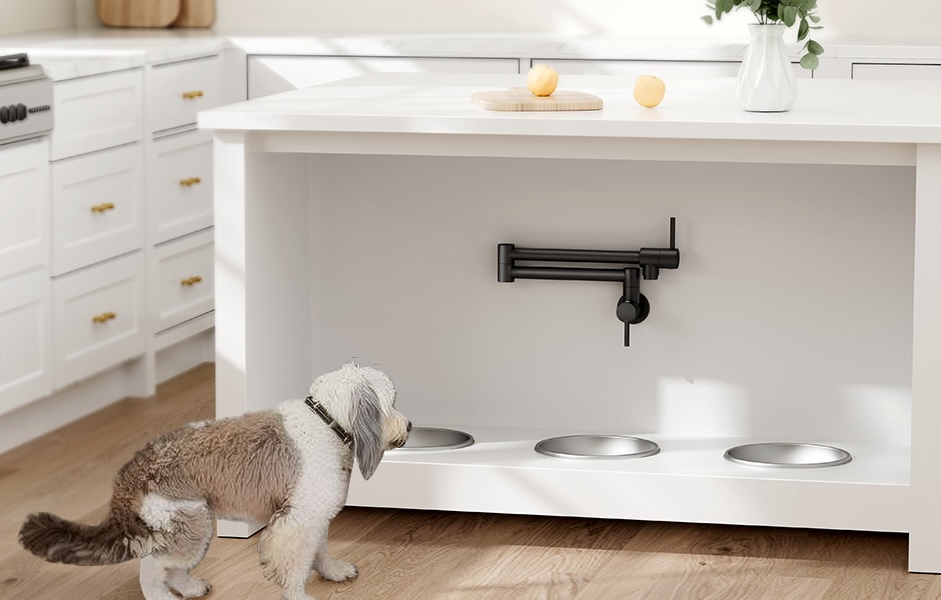
5. Wall-Mounted Installation
This installation type saves countertop space and is easy to clean around. It’s a favorite choice for modern kitchens. Just make sure you plan for the piping and connections before you install it.
6. Safety Features for Maximum Protection and Reliability
- High-Temperature Resistance: Ensure the materials can withstand high temperatures.
- Leak-Proof Design: Prevent accidental water leaks.
- Anti-Splash Design: Prevents splashing to avoid accidental burns.
7. Flow Compliance and Standards: Ensuring Proper Function and Flexibility
Flow Compliance: Pot fillers must meet California’s 1.2 GPM standard and 2.2 GPM in other regions, ensuring they pass plumbing inspections, crucial for home sales, rentals, and renovations.
Regular Inspection: Regular plumbing checks are key to maintaining the pot filler’s functionality over time, especially important for home transactions and rentals, where it can impact property value.

Pot fillers are a game-changer for any kitchen, offering unmatched convenience and efficiency. By understanding their features, installation options, materials, and benefits, you can choose the perfect one. Upgrade your cooking experience and enjoy the benefits it brings to your culinary adventures!
stay tuned
Subscribe now to receive the latest advice on DIY projects
Frequently asked questions
What is a pot filler faucet?
A pot filler is a long, articulated cold-water faucet mounted on the wall (or deck) behind the cooktop, so you can fill large pots where they sit on the stove instead of carrying them from the sink. Most fold flat against the wall when not in use.
Do pot fillers use hot water?
No, pot fillers are plumbed to cold water only. You fill pots to heat on the stove, so a single cold supply line keeps the installation simpler and the faucet more compact.
What height should a pot filler be installed at?
Mount it so the spout clears your tallest stockpot on the burner, commonly around 18 to 20 inches above the cooktop surface. Confirm the articulated arm reaches all burners before roughing in the supply line.
Are pot fillers worth installing?
For anyone who regularly cooks with heavy stockpots, yes. They remove the sink-to-stove carry of a full pot, the most awkward moment in the kitchen. Choose one in lead-free brass with a ceramic-disc joint for a leak-free life.
Further reading
Further reading: the full KES faucets guide and how to tell solid brass from zinc.