

Why Every First-Time Parent Needs a Drinking Faucet ?
Becoming a first-time parent is one of life’s most exciting—and overwhelming—journeys. Suddenly, every decision feels monumental, from choosing the right crib to ensuring the air in your home is clean. But there’s one thing many new parents overlook: the quality of the water their baby drinks.
You might be thinking, “Isn’t tap water safe enough?” The truth is, while most tap water in the U.S. meets federal safety standards, it’s not always perfect—especially for your little one. Let’s talk about why a dedicated drinking faucet might be one of the best investments you can make for your growing family.
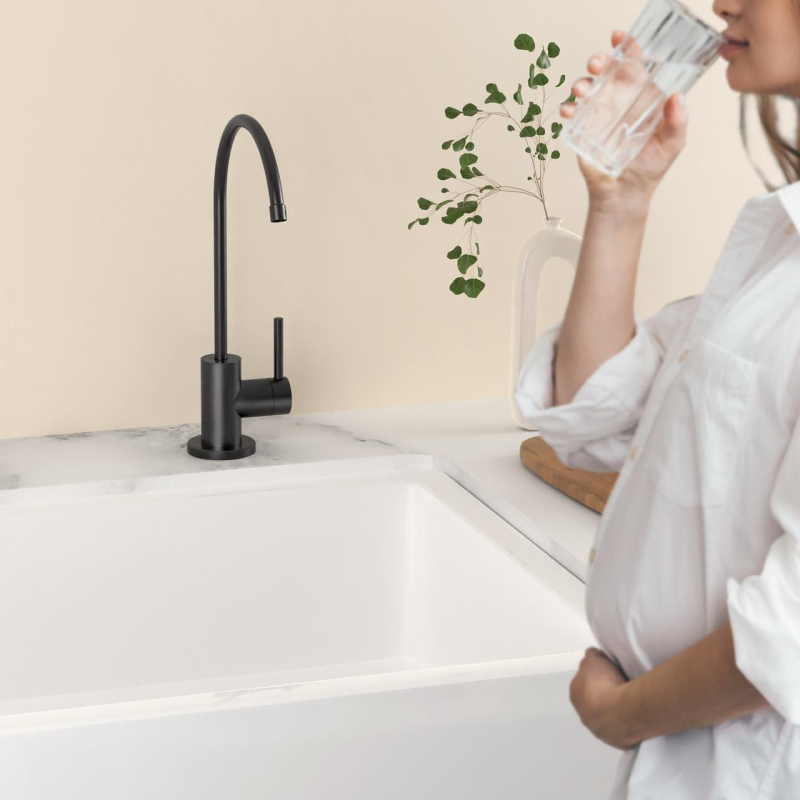
The Hidden Risks in Your Water
Water contamination is more common than you might think. Even if your water looks and tastes fine, it could contain harmful substances like lead, nitrates, or bacteria. Here’s why these contaminants are particularly concerning for babies:
- Lead: Often found in older pipes or plumbing systems, lead can seep into your water supply. Even low levels of lead exposure can affect a baby’s brain development, leading to learning difficulties and behavioral issues.
- Nitrates: Common in agricultural areas, nitrates can turn into nitrites in the body, reducing the blood’s ability to carry oxygen. This can be especially dangerous for infants, potentially causing a condition known as “blue baby syndrome.”
- Bacteria: From E. coli to other harmful microbes, bacteria in water can weaken a baby’s still-developing immune system, leading to illnesses like diarrhea and dehydration.
Why a Dedicated Drinking Faucet is a Game-Changer
When it comes to improving your home’s water quality, there are a few options out there—but not all are created equal. Many families start with simple solutions like water pitcher filters or fridge filters. While these can help reduce some contaminants, they often fall short when it comes to removing harmful substances like lead, nitrates, or bacteria.
Then there are whole-house water filtration systems. They’re effective, but they can be expensive to install and maintain. Plus, they don’t always target the water you drink directly.
That’s where a dedicated drinking faucet comes in. It’s not just another filter—it’s a smarter, more efficient way to ensure your family gets the cleanest water possible.
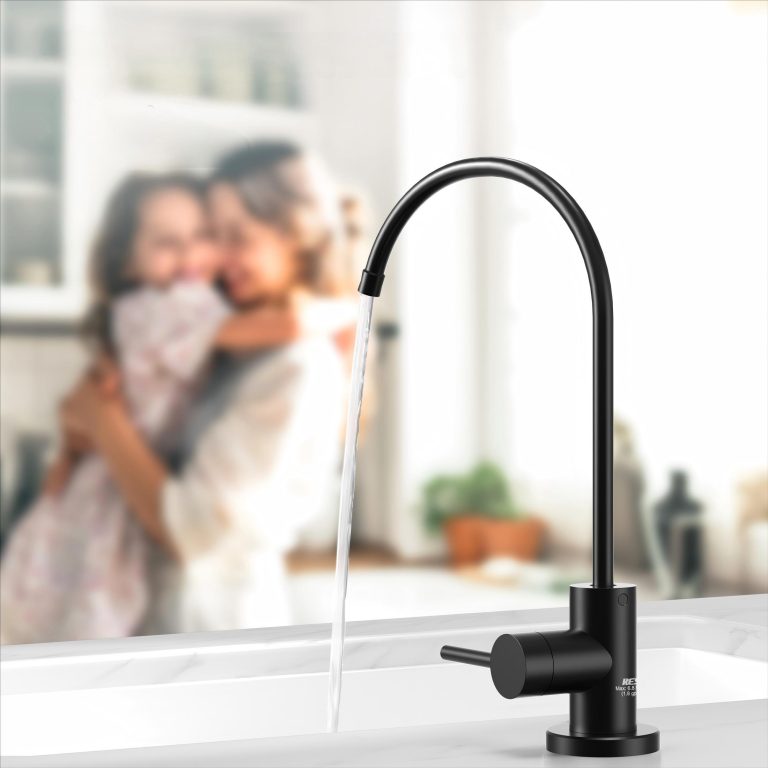
A dedicated drinking faucet isn’t just another kitchen upgrade—it’s a safeguard for your family’s health. Here’s why it’s worth considering:
- Advanced Filtration:
- Paired with a multi-stage filtration system (like reverse osmosis), a dedicated faucet can remove up to 99% of contaminants, including lead, nitrates, and bacteria.
- NSF/ANSI 58 certification ensures the system meets strict safety and performance standards.
- Convenience:
- No more boiling water or waiting for a pitcher to filter. With a dedicated faucet, clean water is just a turn of the handle away—perfect for busy parents.
- Material Safety:
- Made from lead-free materials (like stainless steel or lead-free brass), these faucets ensure no secondary contamination.
- NSF/ANSI 372 certification guarantees the materials are safe for drinking water.
- Long-Term Value:
- While the upfront cost might seem higher than a basic filter, a dedicated faucet is a long-term investment in your family’s health.
How to Choose the Right Drinking Faucet
If you’re ready to take the plunge, here are a few things to keep in mind when choosing a drinking faucet:
- Filtration Technology: Look for systems that use reverse osmosis or multi-stage filtration to ensure comprehensive contaminant removal.
- Certifications: Check for NSF/ANSI certifications, which guarantee the faucet meets strict safety and performance standards.
Material Safety: Choose faucets made from lead-free materials (like stainless steel or lead-free brass) to avoid secondary contamination. Look for NSF/ANSI 372 certification to ensure the materials are safe for drinking water.
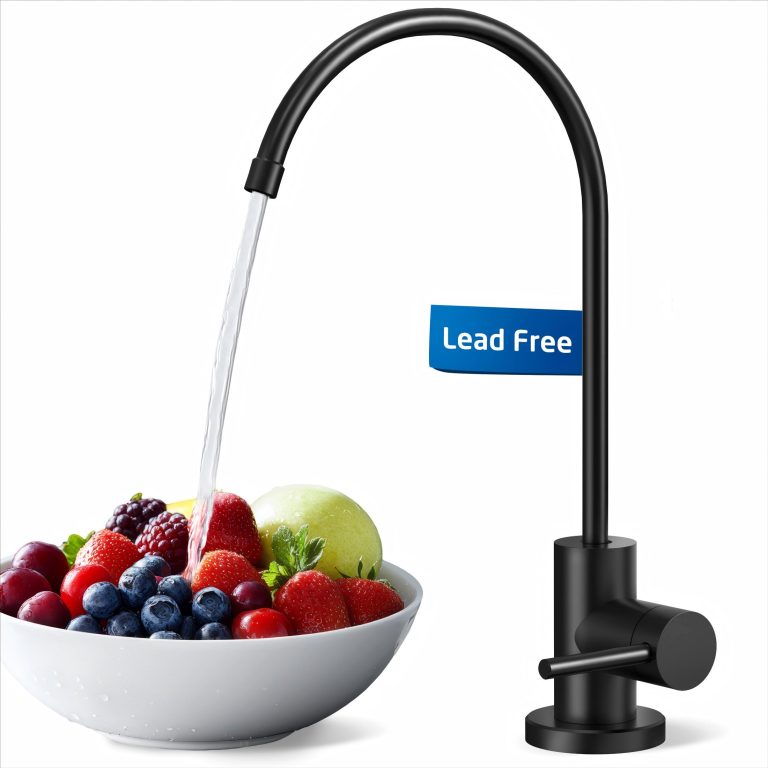
Like the KES Z506CLF-BK, which features a 100% lead-free stainless steel body and connectors. This all-stainless construction ensures no lead contamination in your water, protecting your family—especially your baby—from the harmful effects of lead exposure. Plus, its durable design resists rust and corrosion, offering a long-lasting, worry-free solution for your kitchen.
- Ease of Use: Choose a faucet that’s easy to install and maintain, with readily available replacement filters.
- Design: Since it’s going in your kitchen, pick a style that complements your décor. Stainless steel finishes are a popular choice for their durability and timeless look.
Your Baby Deserves the Best—Starting with Their Water
A dedicated drinking faucet ensures their water is clean and healthy—because every sip matters for your baby’s health.
Ready to make the switch? We’re here to help—every step of the way. Whether you’re choosing the right faucet or need guidance on installation, our team is always available to provide personalized advice and support. Explore our selection today and take the first step toward safer, cleaner water for your family. Because when it comes to your baby, only the best will do.

stay tuned
Subscribe now to receive the latest advice on DIY projects
Frequently asked questions
What is a drinking faucet?
A drinking faucet is a small dedicated tap, usually mounted beside the main kitchen faucet, that delivers filtered water from an under-sink filter. It keeps filtered drinking and cooking water separate from the unfiltered supply used for washing.
Is filtered tap water safe for making baby formula?
For most municipal water, yes, once filtered to reduce chlorine, lead, and sediment, which a dedicated drinking faucet provides on demand. Always check your local water report and follow your pediatrician’s guidance on whether to boil water for very young infants.
Why do first-time parents find a drinking faucet useful?
It gives instant filtered water for bottles, formula, and sterilizing, without waiting on a kettle, refilling pitcher filters, or lugging bottled water home. For the round-the-clock feeding schedule of a newborn, that convenience adds up fast.
Does a drinking faucet need its own hole in the counter?
Usually yes; it mounts in a spare sink knockout or a drilled hole beside the main faucet and connects to an under-sink filter cartridge. The faucet itself should be lead-free, since it carries water you drink.
Further reading
Further reading: the full KES faucets guide and why 304 stainless is food-safe.